- 🌐 Web
About the Project
A growing e-commerce company is looking for a scalable and robust cloud infrastructure to manage its online sales operations. The platform must support a high volume of transactions, provide a smooth user experience through a main portal, enable internal management of products and orders through a backoffice portal, and offer advanced analytics capabilities on sales data for strategic decision-making.
In addition, the platform must be able to efficiently handle intensive tasks—or tasks that do not require an immediate user response—in the background, ensuring the user experience is not affected by long-running processes such as order confirmations, complex inventory updates, or mass notification generation.
Proposed Architecture
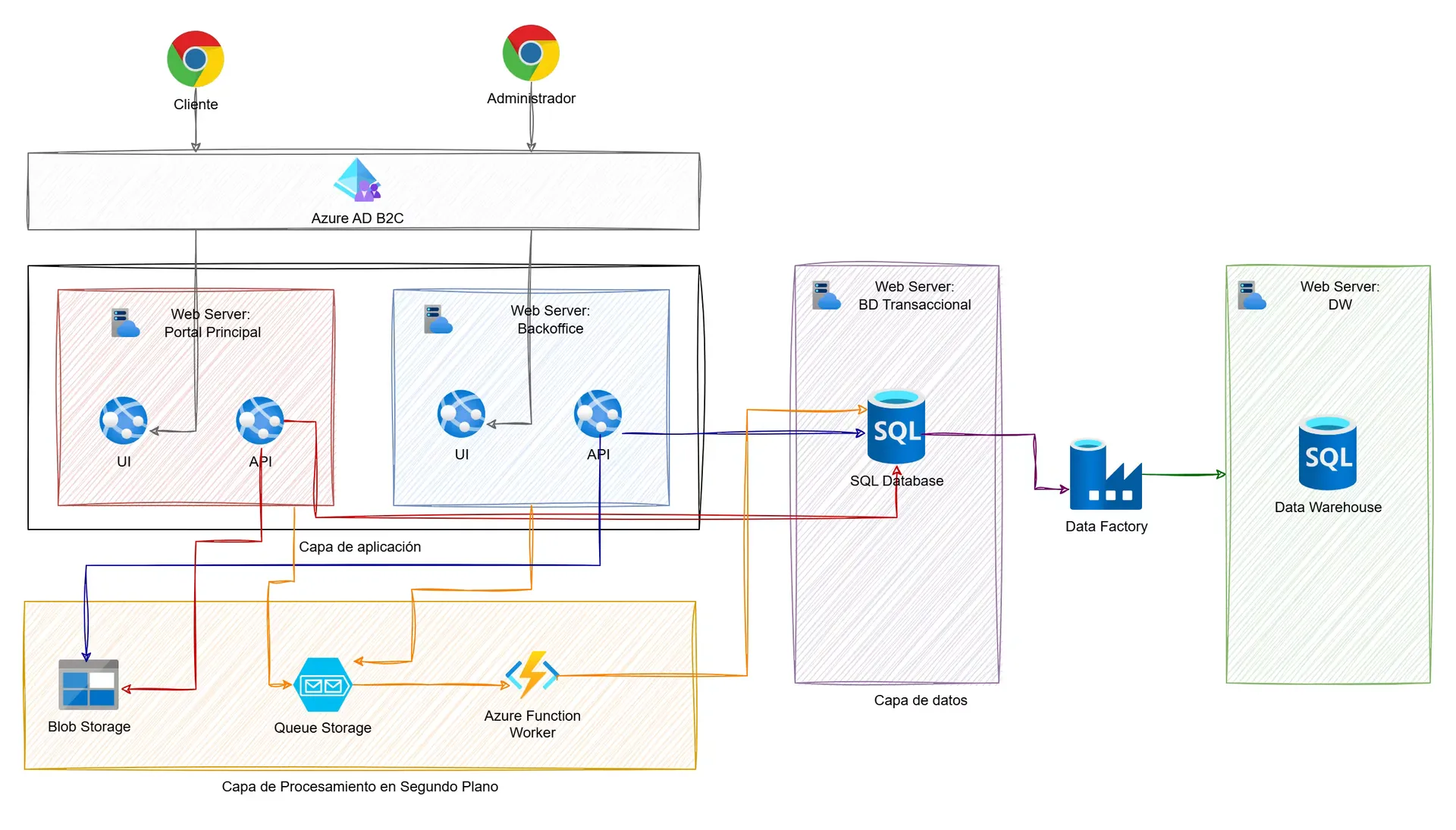
The diagram represents the proposed architecture for an e-commerce platform with analytics capabilities, implemented using Microsoft Azure services. It is divided into four logical layers.
1. Authentication Layer
To centralize authentication for customers and administrators. It integrates with both portals through secure login and authorization flows.
2. Application Layer
Both web portals (Main Portal and Backoffice) are deployed as Azure Web Apps and interact with data storage and queue services for asynchronous processing.
3. Background Processing Layer
This layer handles tasks that do not require an immediate response, improving overall performance and user experience.
4. Data Layer
Ensures persistent storage for operational information such as products, users, and orders, and supports analysis of the generated data.
Project Content
The modular design based on multiple repositories enabled a clear separation of responsibilities and makes code maintenance easier. This split aligns with infrastructure best practices, where each component has a specific function.
Core Infrastructure
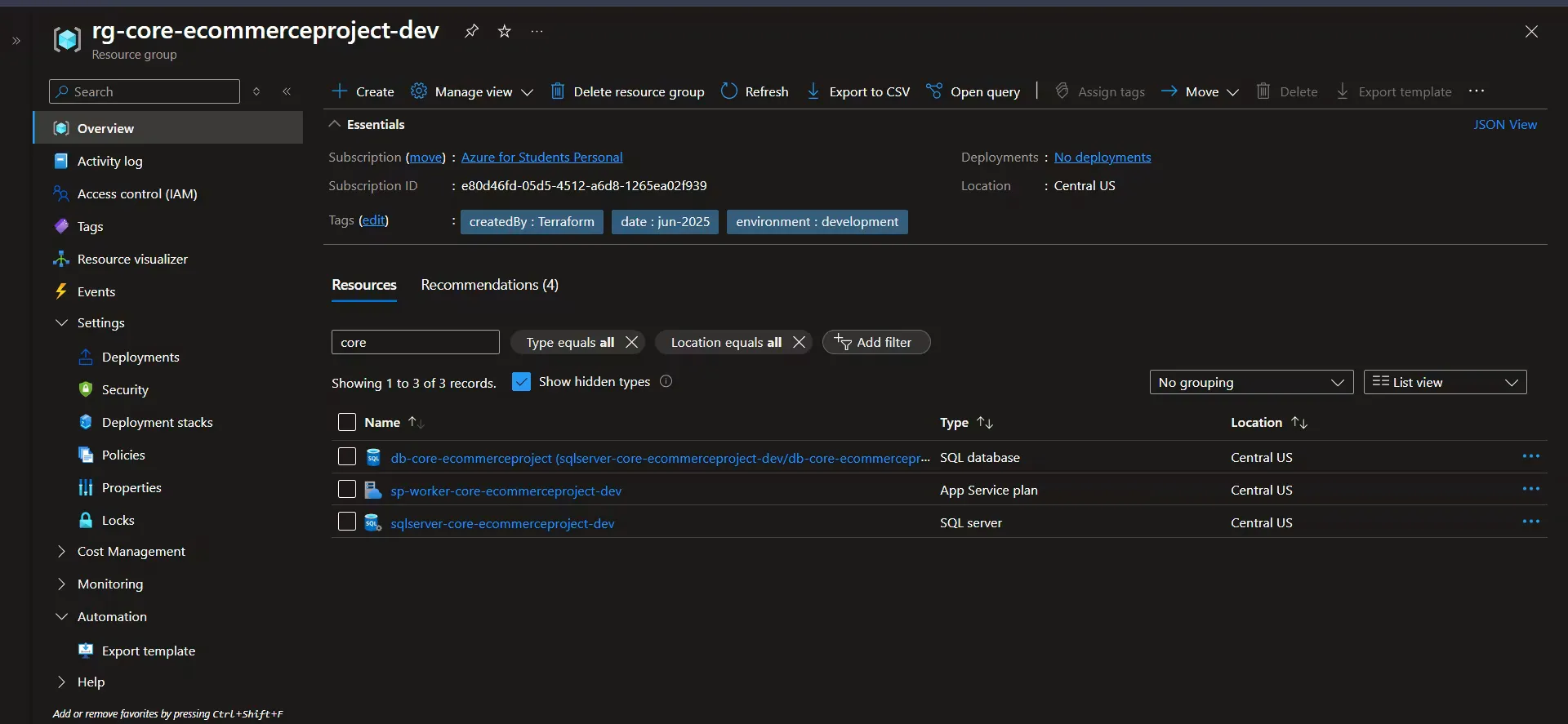
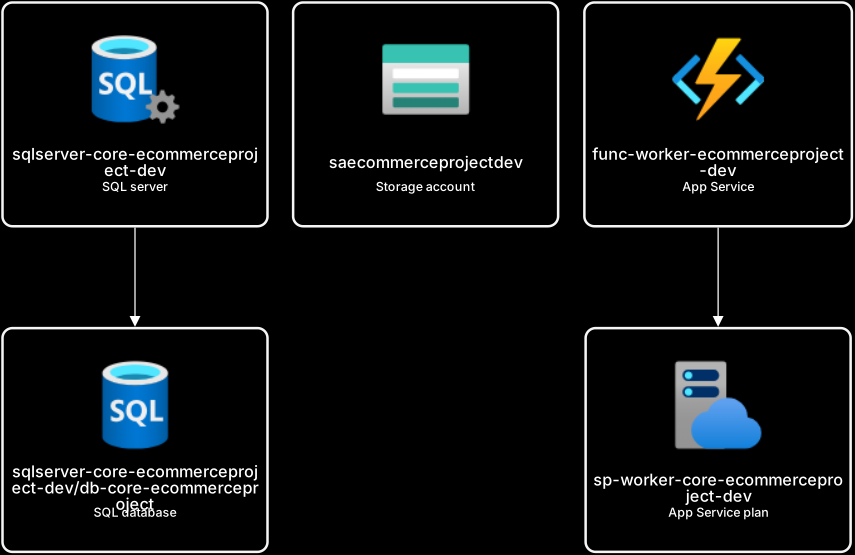
For foundational and shared resources, such as Storage, queues, and transactional SQL.
1. Resource Group
2. SQL Server (transactional DB)
3. SQL Database
4. Storage Account (Queue and Blob)
5. Function Worker
Apps Infrastructure
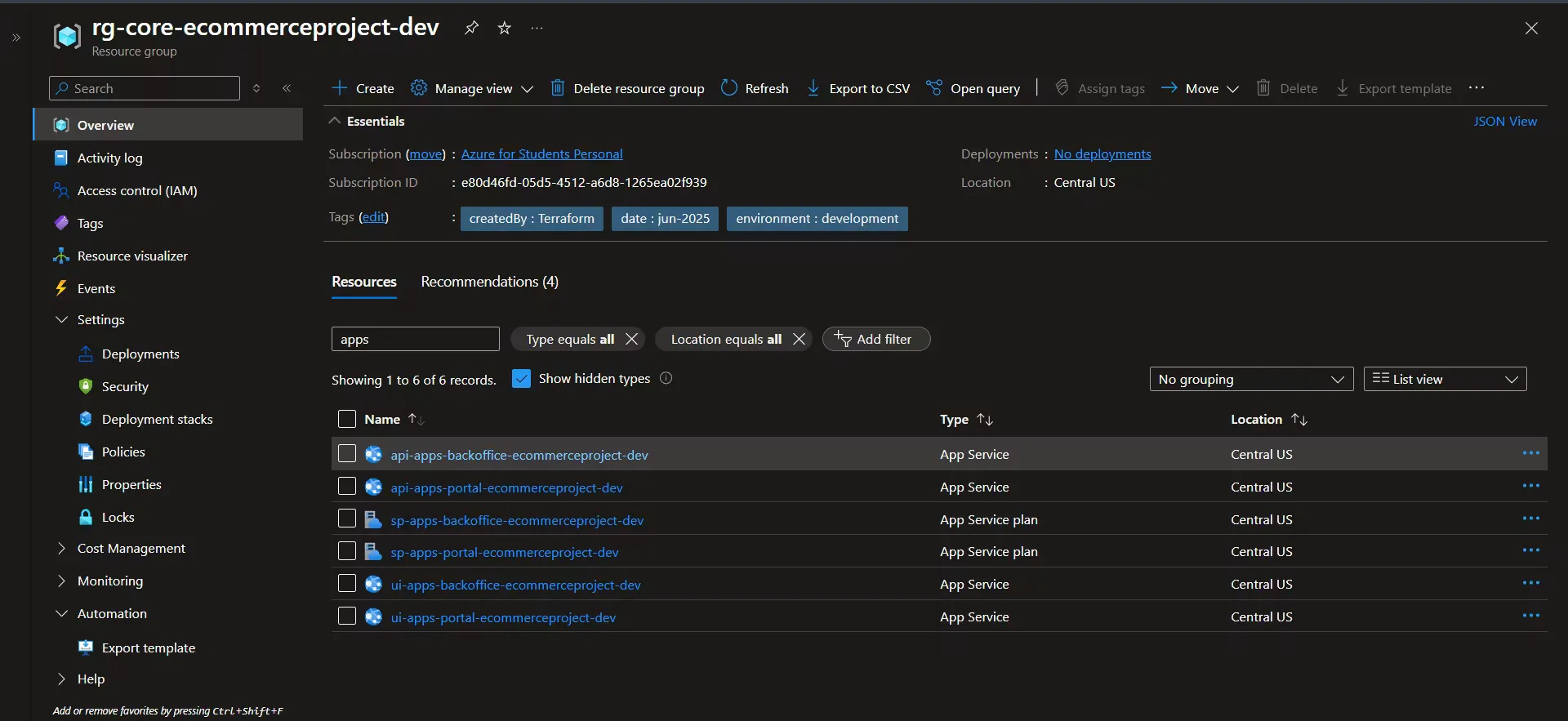
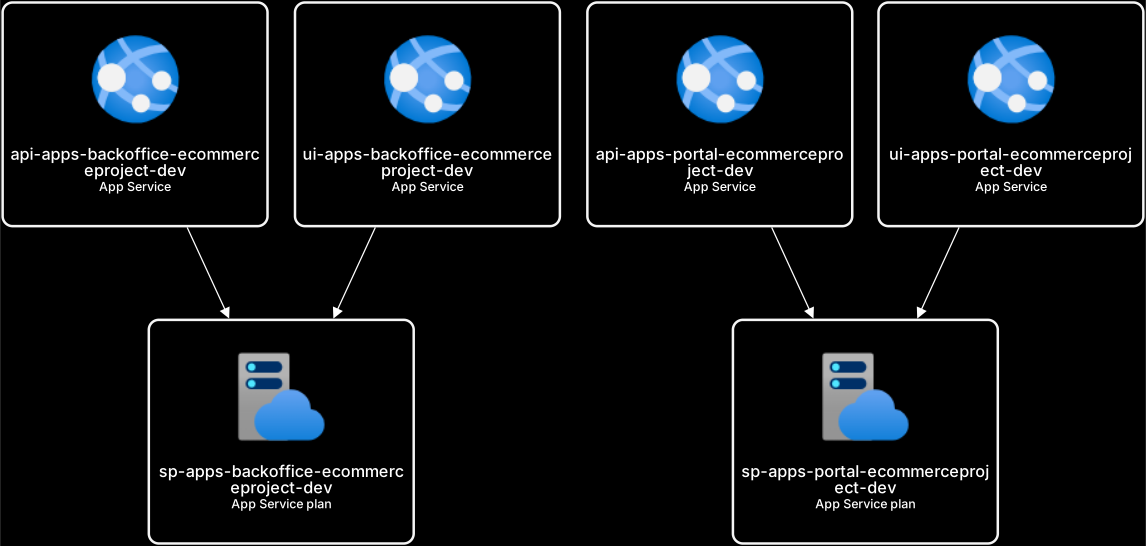
For application components such as Web Apps for the main portal and the backoffice.
1. App Services (main portal and backoffice)
Analytics Infrastructure
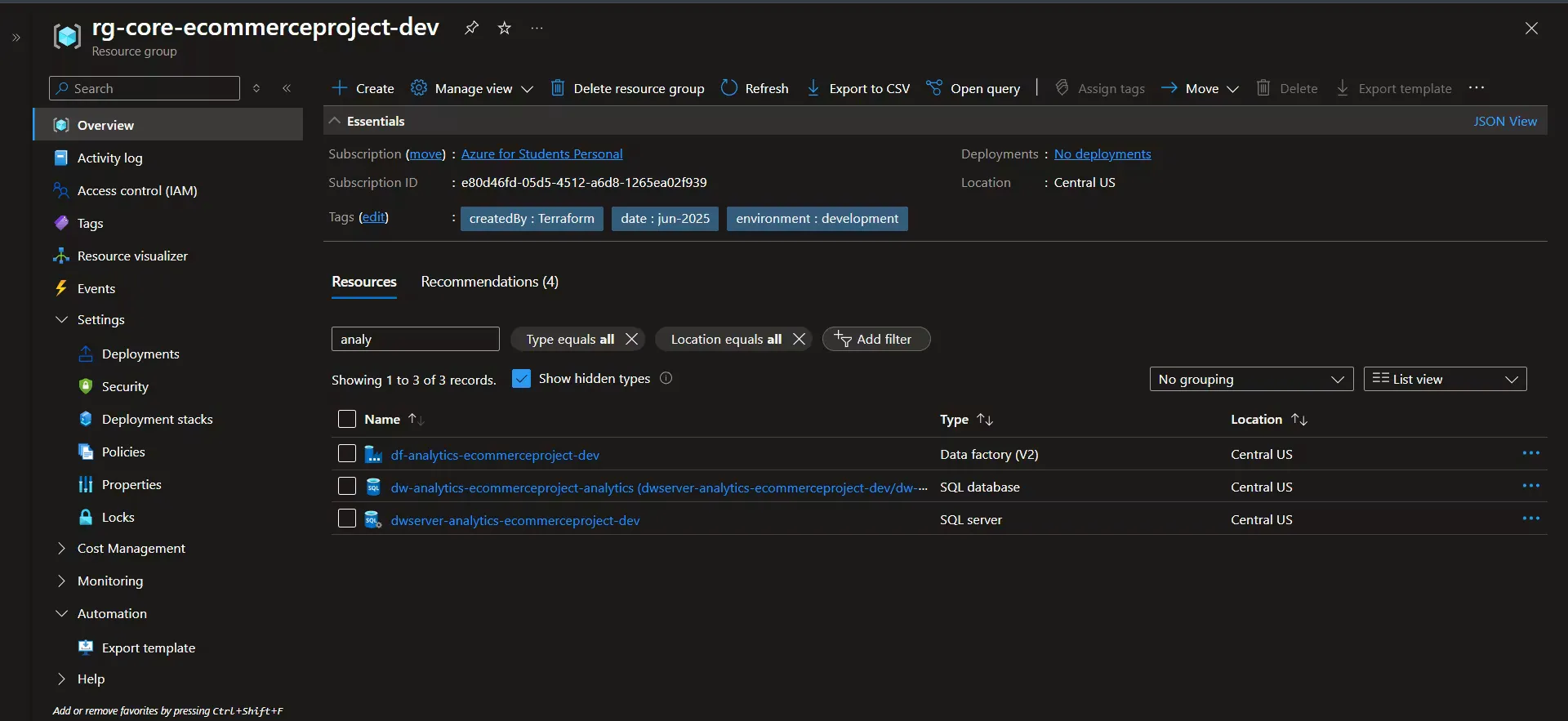
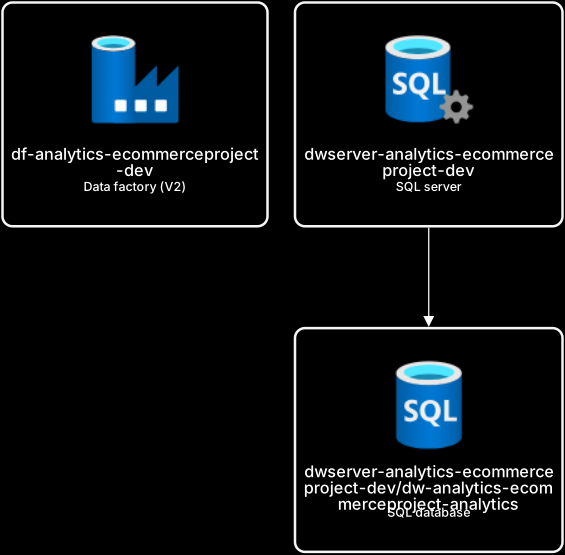
For analytics and data orchestration infrastructure.
1. SQL Server DW
2. SQL Data Warehouse
3. Data Factory
Technologies Used
 Azure App Service Plans
  Azure App Service Azure App Service Plans Azure App Service
  Azure Functions
  Azure Blob Storage
  Azure Queue Storage
  Azure SQL Database
  Azure SQL DW
  Terraform
  Azure Data Factory
 Gallery Projects
Screenshots of the system